


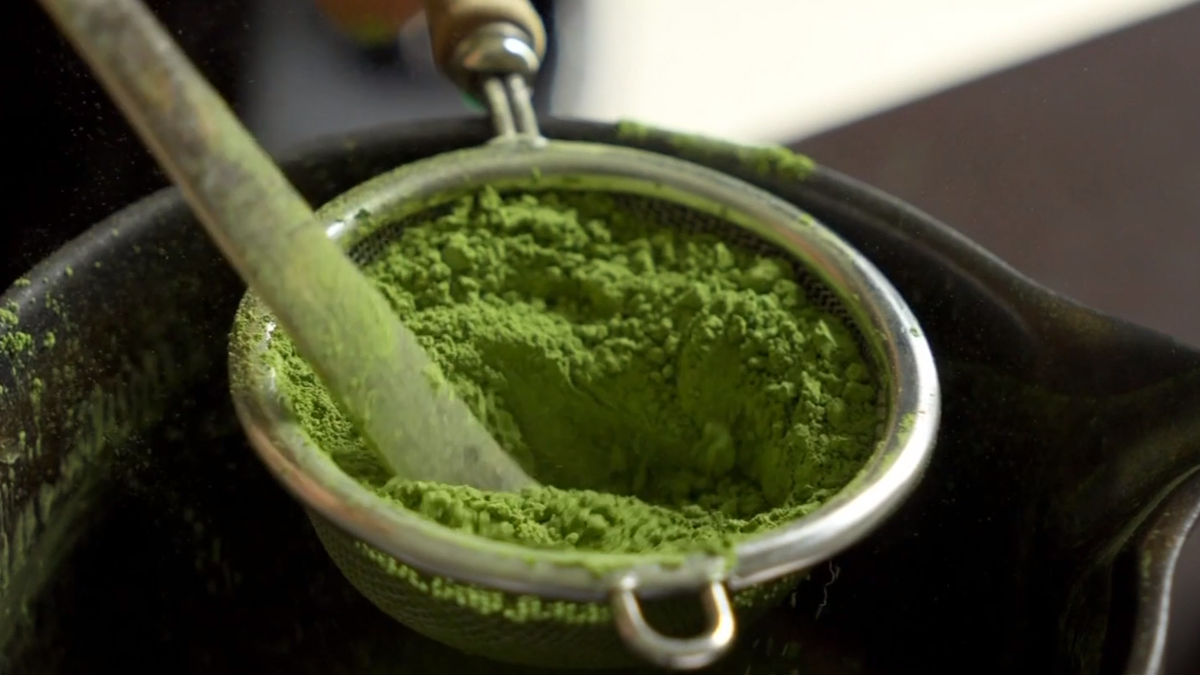

Matcha has exploded in popularity in Australia, with consumption doubling in the past year as the bright green drink becomes a staple on café menus.
But as demand soars, a global shortage is pushing prices higher, with some café matchas now costing around $8.
So what is behind the craze, is matcha really good for you and is it worth the extra cost?
Know the news with the 7NEWS app: Download today
Nutritionist Sarah Di Lorenzo joined Weekend Sunrise to break down the green drink trend.
Why is matcha so popular?
Matcha is powdered green tea, meaning you consume the whole leaf rather than steeping the leaves and removing them.
It contains caffeine and L-theanine, an amino acid that may help provide a more sustained feeling of alertness.
It has also been embraced by the wellness world, thanks to its antioxidant and polyphenol content, while social media has helped turn the distinctive green drink into a global trend.
Why is matcha getting more expensive?
The matcha boom has collided with supply pressures in Japan, where challenging weather conditions have affected production.
At the same time, global demand has surged.
Matcha is also labour-intensive to produce and tea plants take years to reach full production, meaning supply cannot simply be increased overnight.
That combination has pushed prices higher, with premium matcha now significantly more expensive than it was several years ago.
Is matcha actually good for you?
There is genuine nutritional value in matcha, particularly its antioxidants and plant compounds.
Research has also looked at the potential benefits of the caffeine and L-theanine combination for alertness and attention.
But Di Lorenzo said matcha is not a magic health food. One to two cups a day is plenty for most people, while drinking large amounts can mean consuming too much caffeine.
People who are pregnant, breastfeeding, sensitive to caffeine or have specific health concerns should check their intake with their healthcare professional.
And watch what goes into your latte. A matcha drink loaded with syrups and sugar can quickly turn a healthy-looking drink into a high-sugar treat.
How to make matcha for around $2
What you need
Small bowl or a mug
Bamboo whisk (chasen) — the traditional tool. A small hand-held milk frother works if you don’t have one.
Fine sieve (small tea strainer)
1 tsp measure
Ingredients
1 level teaspoon (about 1–2g) good matcha powder
60ml (a splash) hot water — 80°C, not boiling (boiling water makes it bitter)
200ml milk of choice, warmed and frothed
Optional: 1 tsp honey or maple syrup, or half a Medjool date blended in
Method
1. Sift the matcha through a small sieve into the bowl — this stops the lumps and is the secret to smooth matcha.
2. Add the hot (not boiling) water. Let it cool for a minute after the kettle if it’s just boiled.
3. Whisk in an “M” or “W” motion with the bamboo whisk (or use the frother) for about 15 seconds until it’s frothy and bright green — no lumps.
4. Pour into a glass over the frothed milk (or into a hot mug for a warm latte).
5. Add ice for an iced matcha, or drink warm.
Three simple upgrades
Vanilla matcha: add ½ tsp vanilla paste to the milk.
Iced strawberry matcha: blend 3 strawberries into the milk before pouring.
Matcha bliss ball dust: if it’s too pricey to drink daily, sprinkle a pinch of matcha on your yoghurt, smoothie bowl, or into a bliss ball recipe. You still get the antioxidants for a fraction of a teaspoon per serve.


